


Match the cam to your engine size and the rev range you actually ride in. Our best seller is the Star Racing M28 540, which suits both 117ci and 121ci and pulls from 2,000 to 5,500 RPM. On a 117ci the TTS 185 and Red Shift 528 are the other strong picks, and on a 121ci the Red Shift 532 or TTS 190. For mid-range and top-end pull, take the Z-Factor 534 or S&S HPT542. Variable Valve Timing engines need a VVT-specific grind: the S&S HPT560 or TTS 195.
| Camshaft | Suits | Power band | Extra parts needed |
|---|---|---|---|
| Star Racing M28 (540) | 117ci and 121ci, non-VVT | 2,000 to 5,500 RPM | S&S Tappet Cuffs SS330-0655 |
| Red Shift 528 | 117ci, non-VVT | Below 2,000 to 6,000 RPM | None, straight bolt-in |
| Red Shift 532 | 121ci, non-VVT | 2,000 to 6,000 RPM | S&S Tappet Cuffs SS330-0655, mandatory |
| Z-Factor 534 | 121ci and larger, non-VVT | 2,500 to beyond 6,000 RPM | None, straight bolt-in |
| TTS 185 | 117ci, non-VVT, stock heads and pistons | 2,000 to 6,500 RPM | None, straight bolt-in |
| TTS 190 | 121ci, non-VVT, stock heads and pistons | 2,000 to 6,500 RPM | None, straight bolt-in |
| S&S HPT542 | 117ci and 121ci non-VVT, oval-port heads | 2,000 to 6,200 RPM, 0.542in lift | None, straight bolt-in |
| S&S HPT560 VVT | 121ci CVO VVT and 2026-up 117ci VVT Touring | From 2,000 RPM upward | None, uses stock valve springs |
| TTS 195 VVT | 121ci CVO VVT, stock heads and pistons | 2,000 to 6,500 RPM | None, uses stock springs and pushrods |
Every cam listed here is a bolt-in design that runs your factory valve springs on a Gen 2 engine, and every one needs an ECM recalibration once fitted. Not sure which generation your engine is? Call (07) 3252-5381, Mon to Fri 8am to 5pm and Sat 8am to 12pm, and we will confirm it from your VIN.
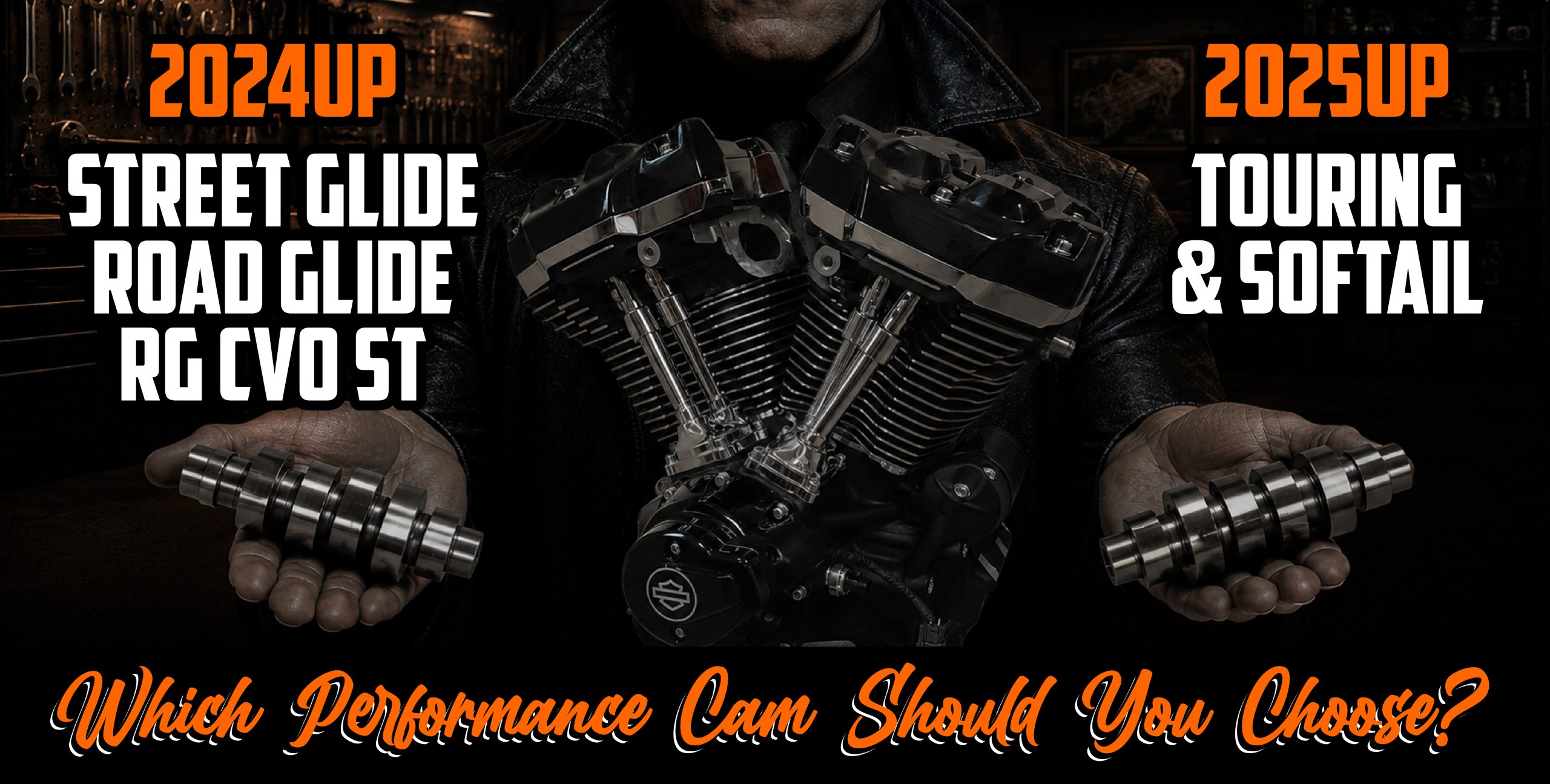
You’ve watched your mate’s Street Glide launch from lights like it was on a slingshot. You’ve seen others easily accelerate away from you while going up a mountain. You know your bike’s Gen 2 Milwaukee-Eight® has more Power trapped inside of it, power the factory restricted to meet some BS regulations. The question isn’t whether or not you want a Stage 2 Camshaft… It’s all about which Cam best suits Your riding style?
Each Performance Cam mentioned in here is bolt-in (no spring changes required on a Gen 2 M8), each is available through Rollies Speed Shop’s Australian dealer network, and each delivers a different power curve, idle character, and RPM sweet spot. Our job at Rollies is to help match the correct Cam to your riding style, you want to have the power in the rev range where you spend most of your time while riding.
If you’re not sure which Performance Cam best suits your engine displacement, compression, and riding style, call (07) 3252-5381 (Mon–Fri 8am–5pm, Sat 8am–12pm) and chat with one of our team, we know exactly how these Cams perform on the street.
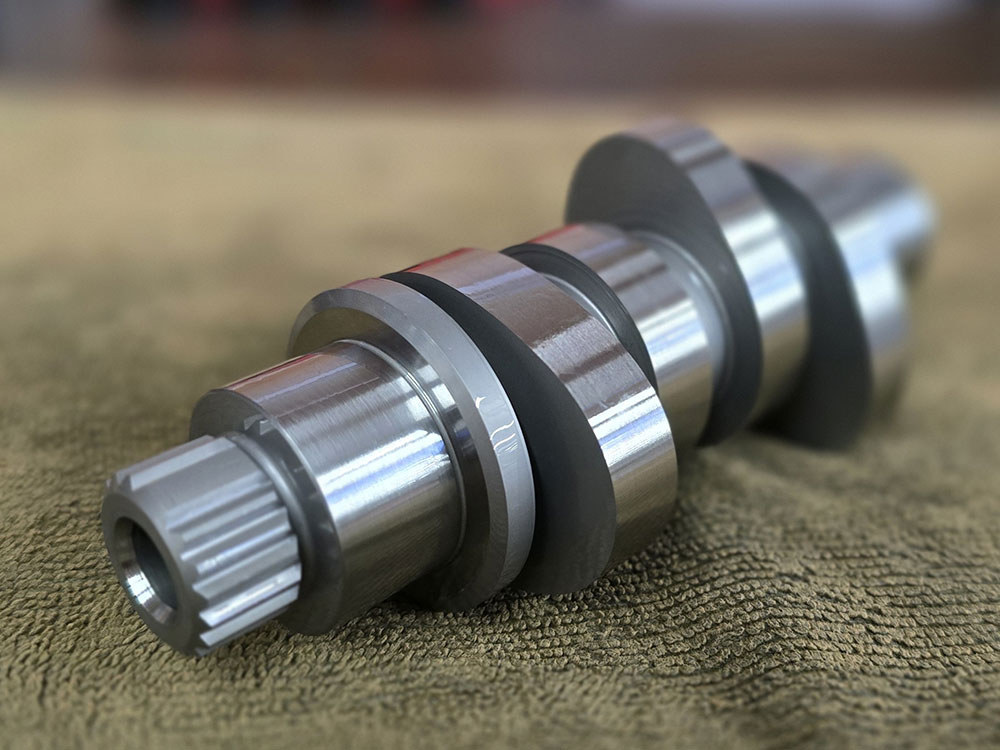
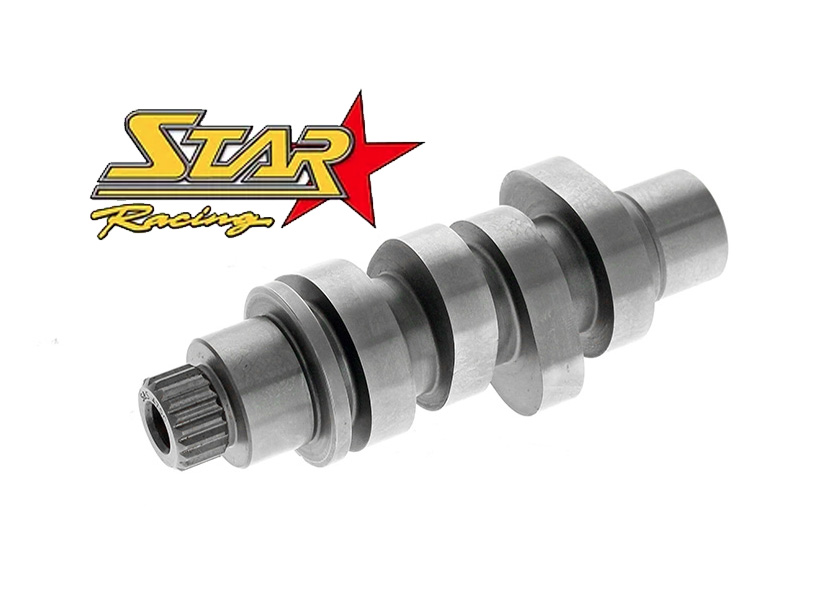
The Star Racing M28 cam is one of the biggest bolt-in camshaft currently available for Gen 2 Milwaukee-Eight® engines. This cam delivers a broad, usable powerband from 2,000 to 5,500 RPM — exactly where you ride. Low-end grunt for highway roll-ons, mid-range torque that pulls hard through the gears, and enough top-end to keep it exciting when you twist the throttle wide open. The dual-profile design is the reason it works so well: the intake lobe is optimised for low-RPM power, while the exhaust lobe makes top-end horsepower.
The M28 works with your stock valve springs on Gen 2 engines. The trade-off is straightforward: due to the high lift, you’ll need tappet cuffs (part # SS330-0655) to complete the installation safely.
With its hard hitting acceleration this is the big torque cam you need if coming second place light to light is not an option with it’s usable power working well for both 117 and 121 engines.
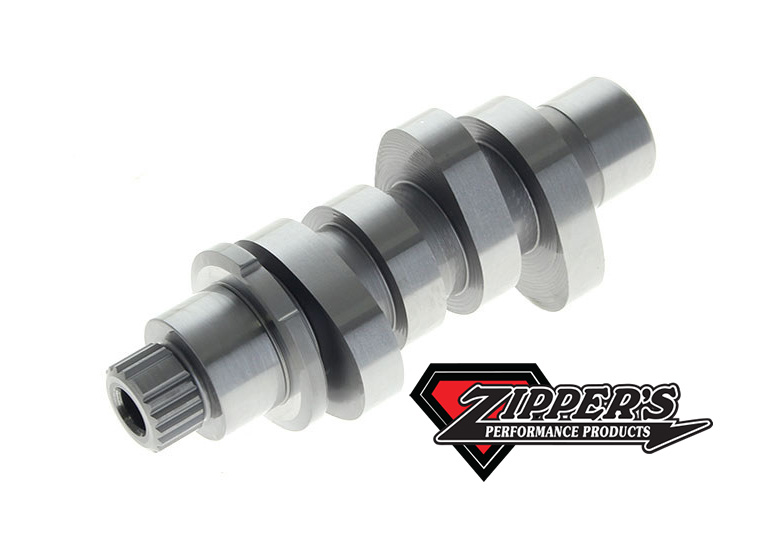
If you’re chasing a strong bolt-in torque cam, the Zipper’s RS528 is purpose-designed around the Gen 2 cylinder head and induction system, and it pulls hard from below 2,000 RPM all the way to 6,000. That means instant throttle response everywhere you actually ride, rolling onto the highway, punching out of a corner, hauling two-up luggage down the coast, and it works brilliantly with factory Touring headers and cat-equipped high-flow mufflers or full racing exhausts.
The RS528 delivers that character without valve-train chatter or premature wear, so you get quiet mechanicals and aggressive acoustics. It’s a bolt-in design, meaning no springs needed.
This Cam Was designed for the highway heathen looking to pass the next road train, and the weekend warrior looking more bottom end for their favorite twisty run.
Step up to 121ci, and Zipper’s RS532 grind becomes the ideal companion. It’s the 528’s bigger brother, same early-torque Red Shift philosophy, same drag-lope idle, but retuned to match higher compression and larger displacement. The RS532 delivers instant acceleration from 2,000 RPM and pulls cleanly to 6,000, giving 121ci Gen 2 engines the best overall balance of torque and horsepower Zipper’s testing could extract from a bolt-in cam.
Like the 528, this cam is designed for riders that want the bottom end passing power and added confidence in the S bends and it works quietly in the valve train like the Red Shift ramp geometry is known for.
One critical note: the RS532 **requires** S&S Tappet Cuffs (SS330-0655) due to its lift characteristics — not optional, mandatory. Beyond that, it’s the same bolt-in, factory-spring-compatible design.
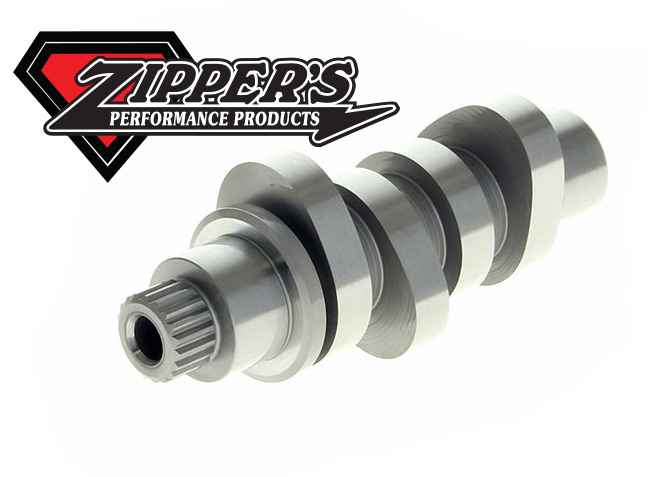
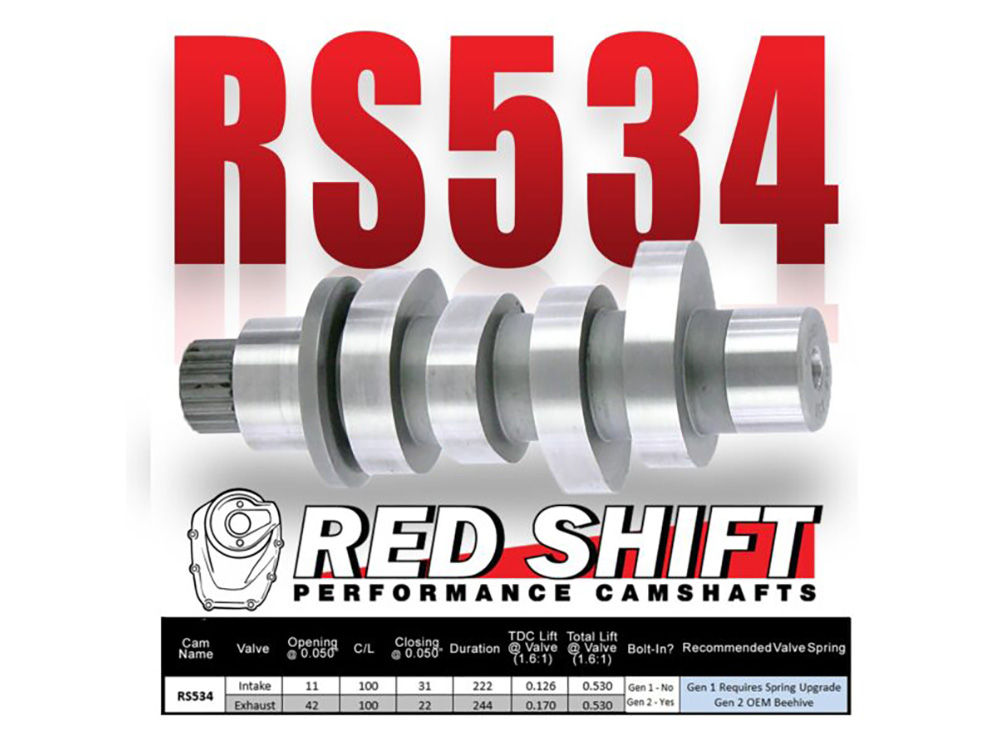
Developed in partnership with Fuel Moto’s dyno team, the Z-Factor 534 is the power-shifter of the Zipper range. Where the 528 and 532 prioritise low-end torque, the 534 deliberately trades a modest amount of that early grunt for stronger mid-range acceleration and higher-RPM horsepower. Regardless of your exhaust choice, you get instant acceleration from 2,500 RPM (note the slightly higher starting point) and strong, sustained pull beyond 6,000.
This is the cam for riders who want top-gear roll-on power where you hold it open and let it breathe. It’s a bolt-in design best suited to 121ci, or larger Gen 2 centre-cooled engines. If your riding style leans toward sustained high-speed cruising and you’re willing to give up a touch of stoplight punch for stronger mid-range surge, the Z-Factor 534 is exactly that.
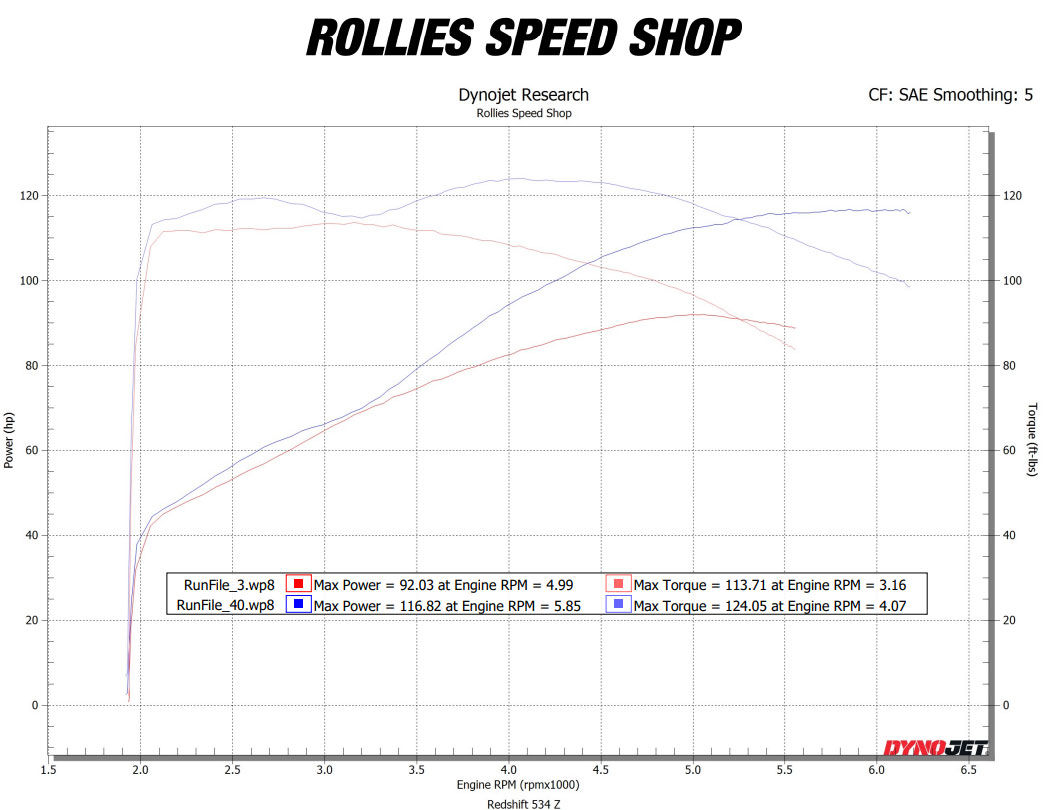
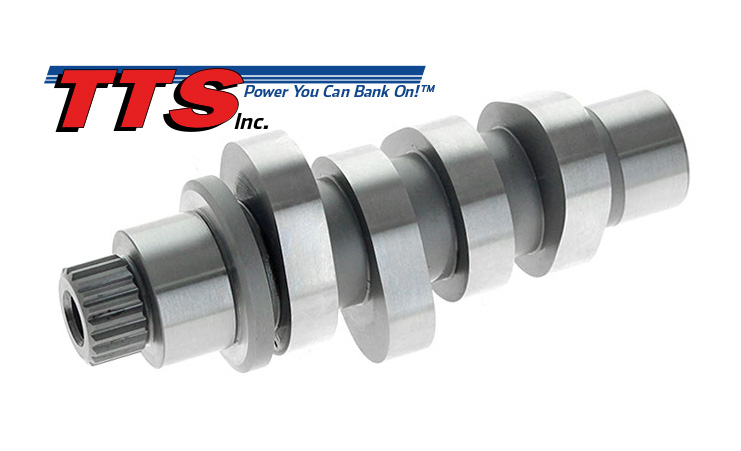
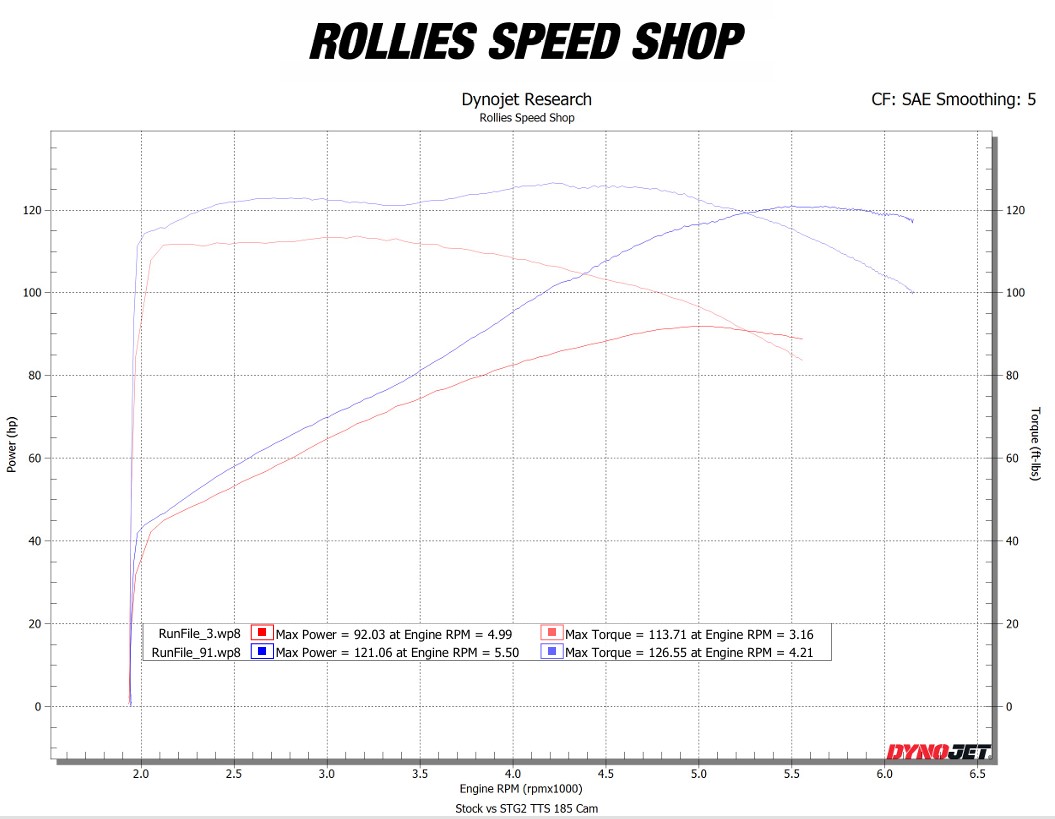
TTS built its reputation on dyno-validated tuning and cam designs that do exactly what the spec sheet promises. The TTS 185 is the company’s 117ci Gen 2 answer: a bolt-in cam designed to increase torque across a wide 2,000–6,500 RPM range. It’s a straightforward, reliable, well-documented grind developed specifically for centre-cooled Milwaukee-Eight® engines with stock heads and pistons, the bolt-in, no-surprises option for riders who want proven results.
The 185 doesn’t chase peak horsepower at redline. It chases usable torque across the entire rev range. That means confident acceleration from a stoplight, strong mid-range pull for overtakes, and enough top-end to keep pulling cleanly to 6,500 without falling flat.
It’s the cam for riders who want more everywhere, with no trade-offs. The 185 is what you choose when you want a known quantity, and you want it to work the first time.
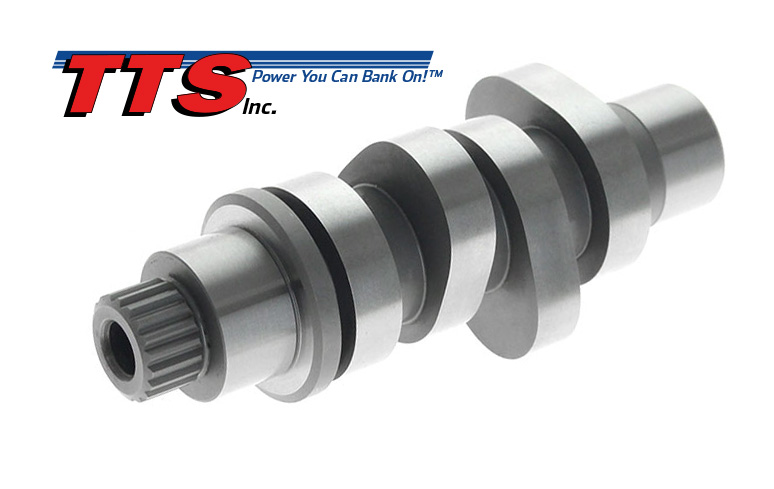
The TTS 190 is TTS Inc’s big-inch solution, optimised for 121ci Gen 2 engines and tuned to the same wide 2,000–6,500 RPM torque band. It’s a bolt-in design developed for centre-cooled Milwaukee-Eight® engines running stock heads and pistons. The philosophy is identical to the 185, usable torque everywhere you ride, but the profile is calibrated to match the airflow, compression, and displacement characteristics of a 121ci motor.
If you’ve got a Gen 2 to 121ci and you want a cam that wakes up every cubic inch without requiring all the extra parts and labor, this is your grind. Throttle response is immediate, mid-range pull is strong, and the top-end doesn’t drop off when you’re holding it open on a highway run. It’s a logical, proven choice for 121ci builds where “more power” also means “predictable and dependable.”
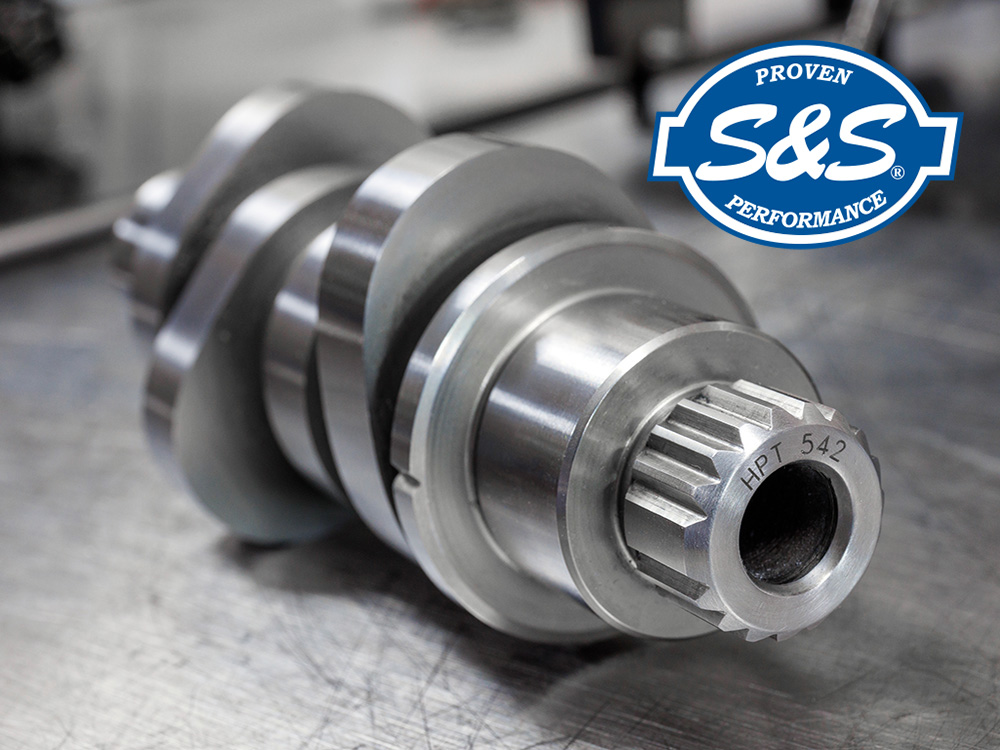
S&S Cycle has been developing cams in the United States since before EFI was a sketch on a whiteboard, and the HPT542 is what decades of in-house design, grinding, and dyno validation look like when applied to the Gen 2 Milwaukee-Eight®. This is bolt-in big power: a 0.542in lift cam that pulls cleanly from 2,000 to 6,200 RPM, delivering a mile-wide torque band and high-RPM horsepower wrapped in an idle that announces itself proudly.
The numbers tell part of the story, but the feel tells the rest. Outstanding throttle response, aggressive lope at idle, and the kind of broad, usable power curve that makes a big bagger feel a third lighter than the scale says it is. The HPT542 is a bolt-in for 117ci and 121ci non-VVT Gen 2 engines with oval-port heads.
If your the rider that all the torque for where you ride without giving up the horsepower number that impresses your mates, this is the bump stick for the job.
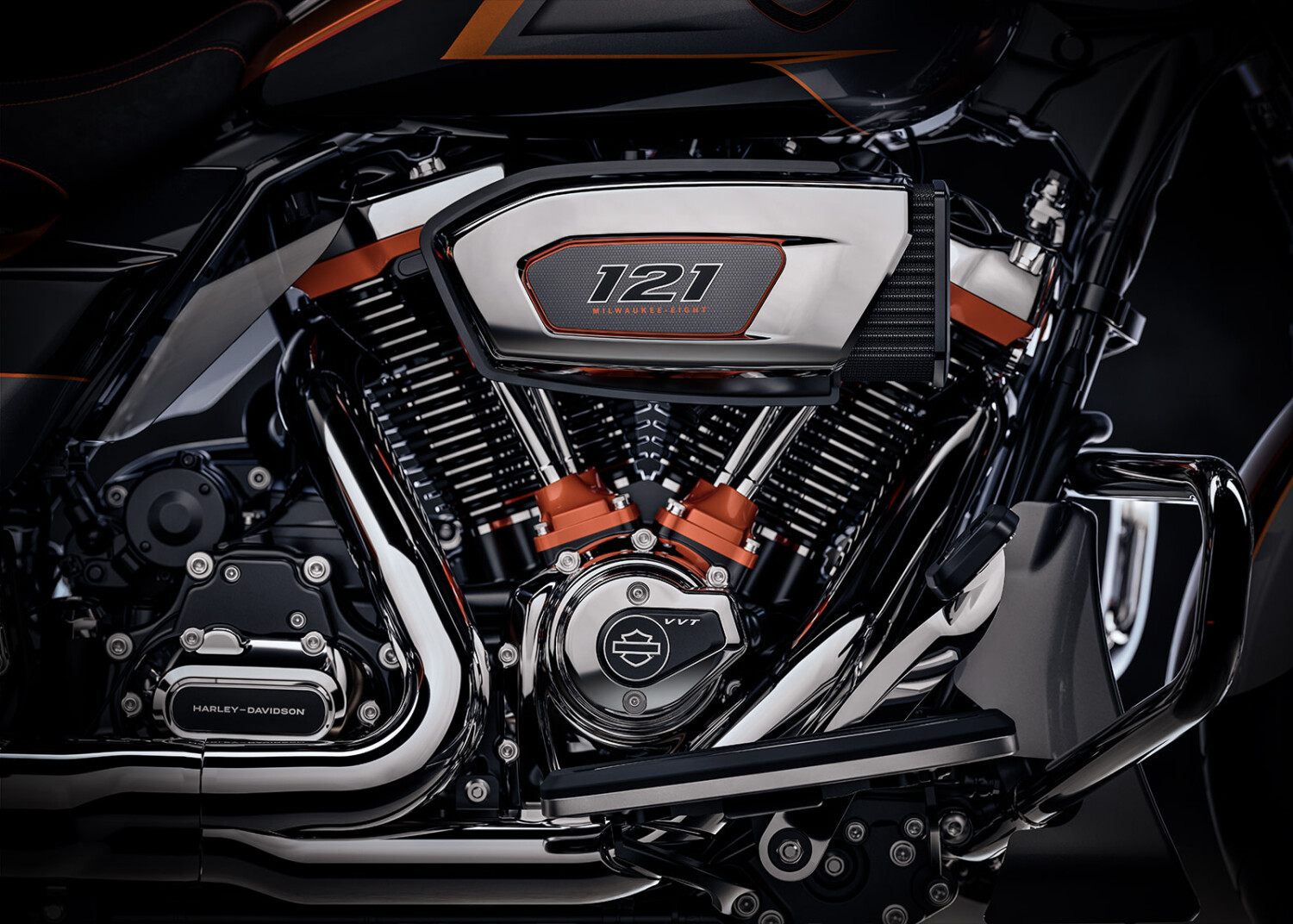
If you own a 2023-up CVO Street Glide or Road Glide with the Gen 2 Milwaukee-Eight® Engine and Variable Valve Timing, you’ve probably noticed something: there aren’t many aftermarket cam options purpose-built for your bike yet. The VVT system changes how timing works, and that means your engine needs a camshaft specifically designed to work with it… Rollies Speed Shop now has them in stock ready for quick delivery Australia wide.
These are the best chain-drive VVT Cams available for the 121ci CVO and 2026-up 117ci VVT Touring models:
The S&S HPT560 and the TTS Tuner TTS 195.
Both are bolt-in designs engineered to unlock more Torque and Horsepower so you can overtake with ease, accelerate out of danger and simply have more fun on every ride.
If you have any questions about these Cams, please call (07) 3252-5381 (Mon–Fri 8am–5pm, Sat 8am–12pm) and chat with one of our team for expert advice before you spend your money modifying your VVT M8.
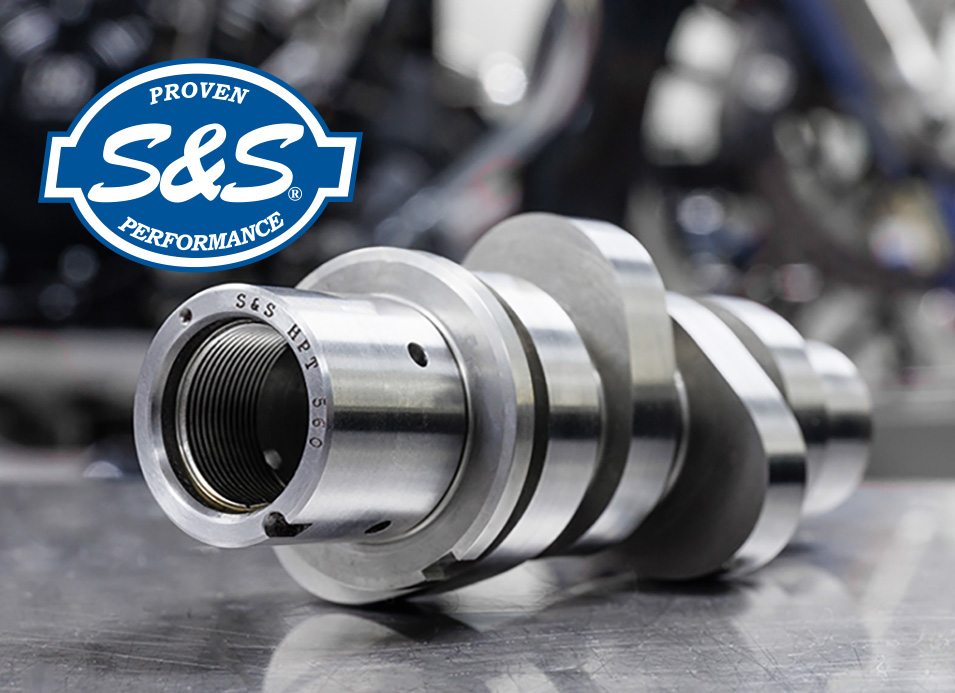
The S&S HPT560 was designed to give your CVO a significant boost in both horsepower and torque starting as early as 2,000 RPM. That’s the sweet spot where you feel it most, rolling onto the throttle at highway speed, accelerating out of a corner, or pulling a heavy bagger with a passenger and luggage aboard. Torque increases are across the entire powerband, and horsepower sees a strong lift on the top end.
Because it’s a true bolt-in cam, the HPT560 works with your stock valve springs so you’re not forced into a full valvetrain overhaul just to swap the cam. The chain-drive design means it works directly with your VVT phaser, exactly as the engineers at S&S intended.
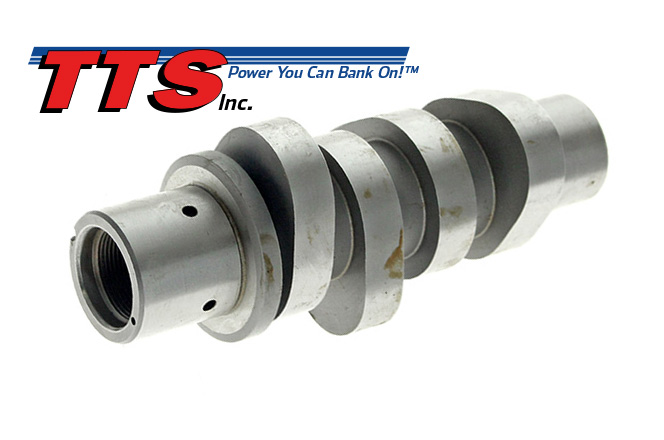
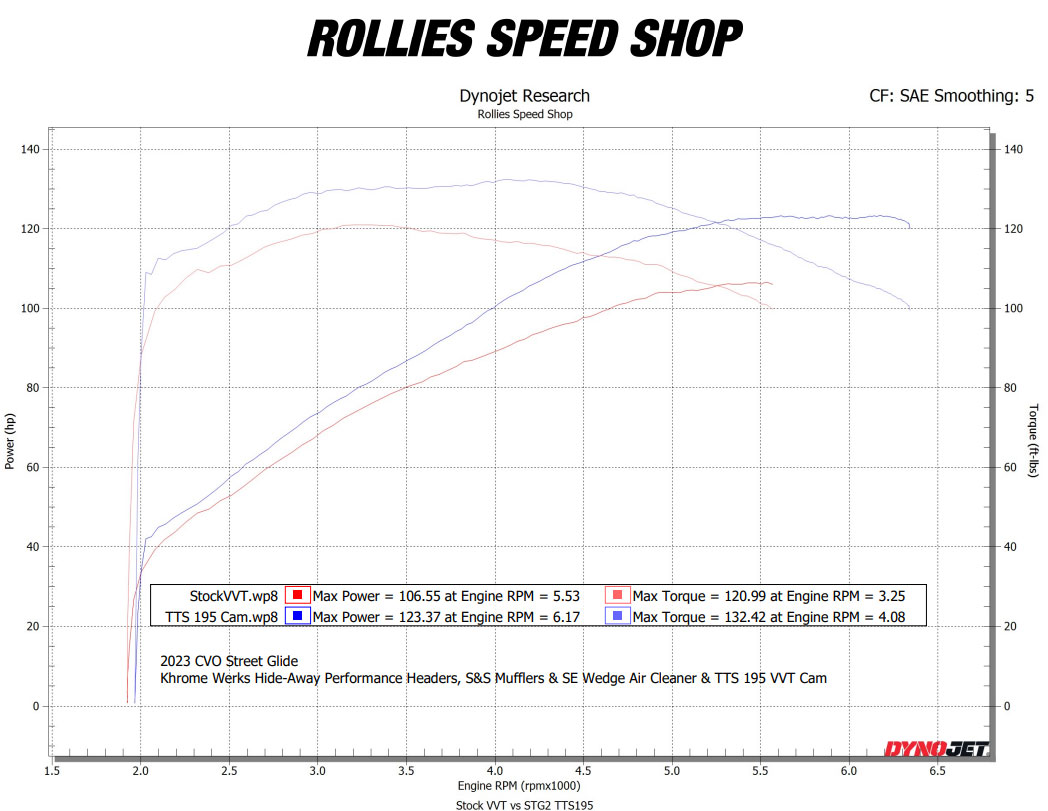
The TTS 195 was developed specifically for centre-cooled Variable Valve Timing Milwaukee-Eight® engines running stock heads and stock pistons. Its design goal is straightforward: increase torque over a wide 2,000–6,500 RPM range. That’s the rev band you live in on Australian roads — accelerating through traffic, overtaking on the highway, or hauling your CVO through the twisties. The cam profile delivers usable, accessible torque exactly where you need it, without requiring you to wind the engine out or sacrifice low-end grunt for top-end screaming.
The TTS 195 is a bolt-in design that utilises your stock valve springs and stock pushrods. Installation is clean, and the chain-drive architecture integrates directly with your VVT system. It’s been purpose-engineered for the Gen 2 VVT engine.
Rollies Speed Shop has been modifying V-Twin Engines since 1979 and we are Australia’s largest Distributor of Performance Parts from the USA. We communicate with the manufacturers of these parts and with the Australian and NZ workshops that install them. We also have our own workshop, continually testing new products to ensure we know first-hand how they perform.
For expert advice on these or other performance products please call Rollies Speed Shop on (07) 3252-5381 (Mon-Fri 8am-5pm, Sat 8am-12pm)
You can also find your nearest authorised Rollies dealer at RolliesSpeedShop.com
The questions Australian and New Zealand riders ask us most often before they order a cam.
Start with the model year. The Gen 2 Milwaukee-Eight® arrived on 2023-up CVO Street Glide and CVO Road Glide models with the 121ci VVT engine, then rolled out across 2024-up Touring models in 117ci and 121ci, including Street Glide, Road Glide and Road Glide ST. Every Gen 2 engine is centre-cooled. If your bike sits near the changeover, call us with your VIN and we will confirm it before you order.
Treat Gen 1 and Gen 2 as separate cam families. The Gen 2 engine runs a different cylinder head and induction system, so these grinds are developed specifically for it. Every cam in this guide is a Gen 2 profile. A cam listed for a 2017 to 2023 Milwaukee-Eight® will not deliver the power curve it was designed to make in a Gen 2 engine, so check the fitment before you buy.
Yes. Every cam in this guide needs an ECM recalibration to run properly, and that applies to late-model bikes too. A cam changes how much air the engine moves, and the factory calibration has no map for it. Running the stock tune risks a lean condition, extra heat and power you paid for but never get. Book a dyno tune, or have your workshop flash a calibration matched to your cam, exhaust and intake.
Your stock valve springs stay. Every cam here is a bolt-in design that works with the factory springs on a Gen 2 engine. Two of them need S&S Tappet Cuffs, part number SS330-0655, because of their lift: the Star Racing M28 and the Red Shift 532. On the Red Shift 532 those cuffs are mandatory, not optional.
Not for a bolt-in cam swap on a Gen 2 engine. These cams fit with your factory oil pump and cam support plate. Plenty of riders still fit fresh lifters while the cam chest is open, because the labour is already being paid for and new lifters remove a future failure point. Ask your workshop whether that makes sense for your kilometres and how you ride.
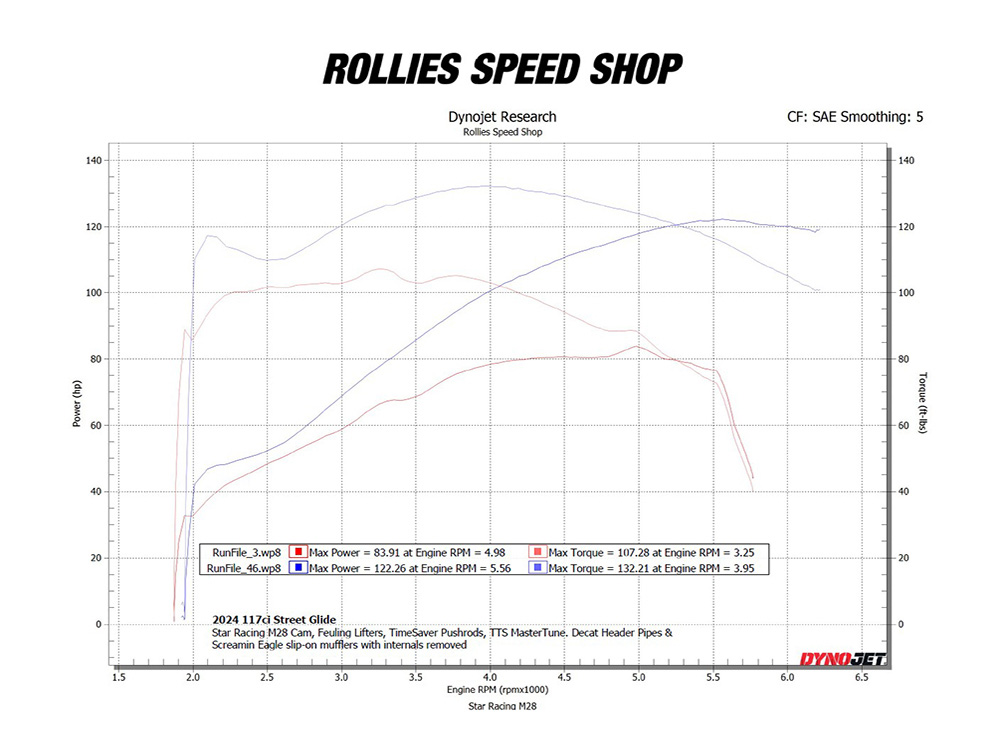
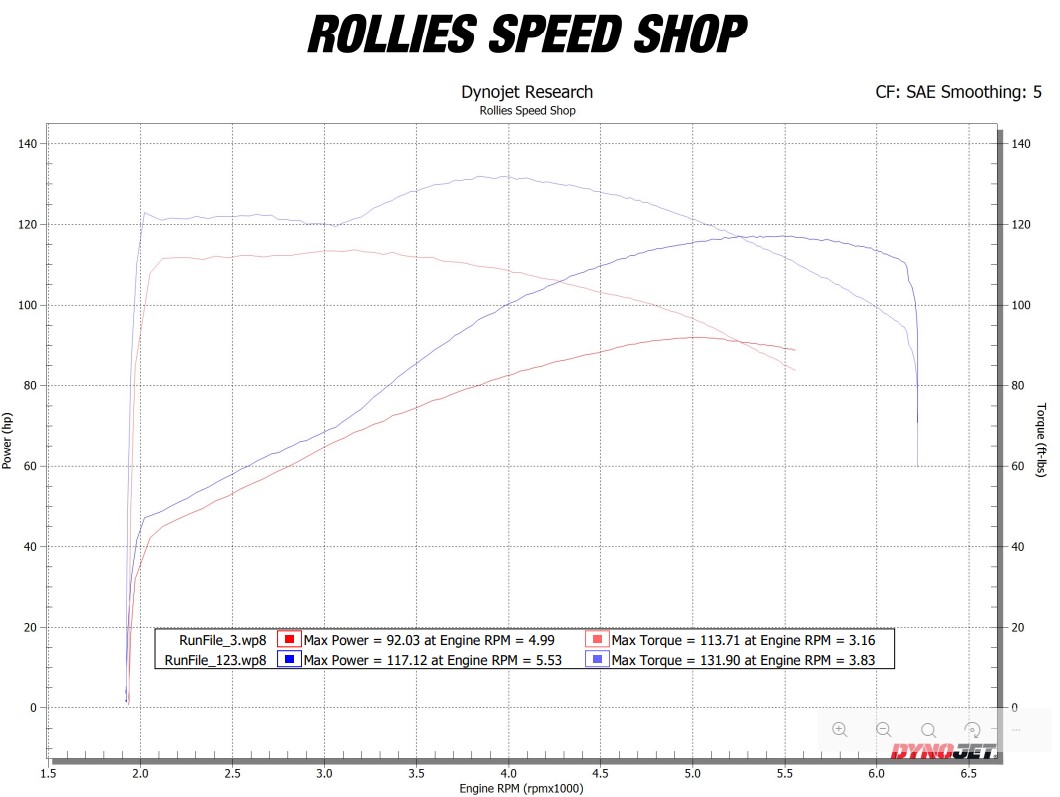
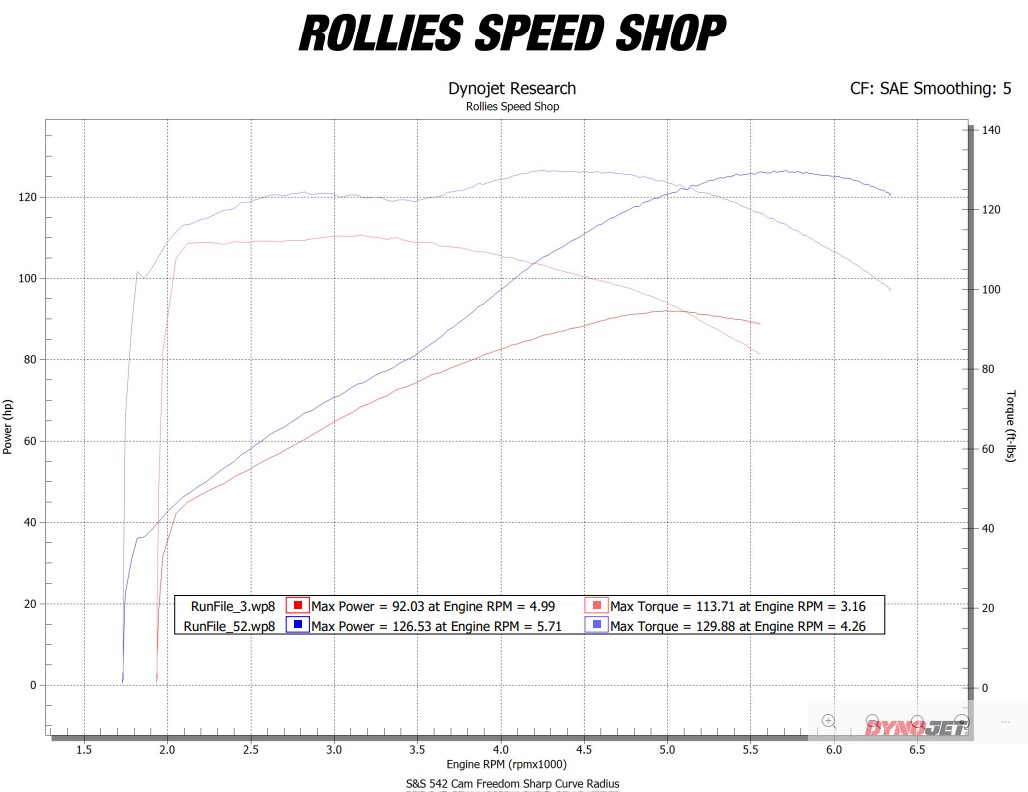
It depends on the cam, your exhaust, your intake and your tune, so treat any single headline figure with caution. Rather than quote a number that will not match your bike, we run these cams on our own dyno and publish the charts. Five of them were measured on the same 2025 Breakout 117ci, so the curves compare directly: Star Racing M28, Red Shift 528, Z-Factor 534, TTS 185 and S&S HPT542. Look at where the curve sits in the rev range you actually ride in, not just the peak.
Yes, but only with a cam designed for Variable Valve Timing. The VVT phaser alters cam timing while you ride, so the grind has to suit it, which is why the VVT option list is shorter. For the 121ci CVO and 2026-up 117ci VVT Touring models the two chain-drive choices are the S&S HPT560 and the TTS 195. Both are bolt-in and both run your stock valve springs.
The S&S HPT542 has the strongest lope of the non-VVT cams in this guide, with an idle that announces itself before you pull away. The Red Shift 528 and 532 both deliver a drag-lope idle while staying quiet in the valve train, thanks to the Red Shift ramp geometry. Idle character is a legitimate selection criterion, so tell us it matters when you call.
For loaded touring and highway roll-ons, pick a cam that makes torque from 2,000 RPM: the Red Shift 528 on a 117ci, or the Red Shift 532 on a 121ci. For back roads where you hold higher revs, the Z-Factor 534 gives up some low-end for stronger mid-range and top-end pull. The TTS 185 and TTS 190 sit in between, with usable torque right across 2,000 to 6,500 RPM.
Fitting an aftermarket part does not automatically void a factory warranty, and your rights under Australian Consumer Law still apply. What a manufacturer can do is decline a specific claim where it shows the modification caused the failure. Speak to your dealer before you commit, keep the paperwork for the parts, and keep a record of the workshop that carried out the work and the tune.
Stage 2 means a camshaft change on top of the Stage 1 basics of a high-flow intake, a free-flowing exhaust and a tune. On a Gen 2 engine the job usually covers the cam, tappet cuffs where the grind calls for them, gaskets and seals, fresh lifters if you choose to fit them, and a dyno tune to finish. The cam is the part that changes the shape of your power curve.
A cam change means opening the cam chest, so it suits an experienced home mechanic with the right tools, a torque wrench and the service manual. Most riders hand it to a workshop, because the job finishes with a dyno tune regardless. Rollies Speed Shop supplies these cams through our dealer and workshop network across Australia and New Zealand, so find your nearest authorised dealer and talk it through.
Stay up to date with the latest products and best parts and accessories info available from Rollie’s Speed Shop by joining our subscriber list.
You’ll also go into our monthly prize draws to win cool Rollie’s merchandise. It doesn’t get any easier than that 

Give us a call us on
(07) 3252 5381 and one of our
parts specialist’s will help
you get the parts you need.
"*" indicates required fields